競艇はギャンブルの中でも、負け組と勝ち組がはっきりと出る仕組みになっています。
なにも考えずに勝負していると、一瞬でお金を失ってしまいます。
「競艇で勝てる方法はあるのか?」
「競艇で稼いでいる人の違いはなんなのか?」
と気になる方も多いかもしれません。
当記事では、稼げる勝ち方や稼いでいる人の特徴を紹介します。
競艇で稼いでいる人の特徴とは?

競艇で稼いでいる人は、自分が得意なレースを知っているよ!
基本的に競艇は、負けるような仕組みになっています。
しかし、競艇で稼いだお金で生計を立てている方もたくさんいます。
はじめに競艇で稼いでいる人の特徴を紹介します。
得意なレース場を知っている
競艇の勝ち方で一番重要なのは、自分が予想している競艇場の特徴を知っていることです。
特に、予想するときはレースの開催場を数個絞ることも重要です。
10種類以上の競艇場から予想するのではなく、数種類の中から競艇場からレースを絞るようにしましょう。
レース場によっては、細かい特徴が複数個あります。
この細かいレース場の特徴やレーサーとの相性を知ることで、より的中させやすくなります。
競艇で稼いでいる人のなかには、「特定の競艇場でしか買わない!」という方もいます。
同じ買い方を軸に購入する
競艇で稼いでいる人の特徴は「期待値」を追っているということです。
期待値を簡単に説明すると、同じ行動を続けていればプラス収支になるという考え方です。
例えば、Aという考え方をもとに予想する場合、負け続けてもAという買い方を繰り返す筆王があります。
コツコツ的中させたり、大穴を狙ったり、毎回掛け方がトが宇と期待値を追うことはできません。
毎回同じような考え方のまま予想することで、期待値が収束していきます。
つまり、負ける予想の方法なのか、勝てる予想の方法なのかを見極めることができます。
競艇の還元率は75%なので、単純に掛けるだけなら25%の掛け金が負け続ける計算になります。
しかし、稼いでいる人はこの還元率でも、期待値を高めて稼いでいます。
資金管理がしっかりできている
競艇で勝つためには、資金管理も非常に大切です。
競艇に使うお金を決めてから、逆算してお金を投資する必要があります。
要は、資金に会わせた買い方をしましょう。
例えば、10万円が予算の場合は1口300円ぐらいまでに抑えましょう。
時々1口1,000円以上から始める方もいます。
負ければ精神が揺らぐような金額は、買う金額として間違っています。
負け額に合わせてメンタルが崩壊していくと、自然と博打に近い買い方に変わっていきます。
勝ち組と負け組のおおきな違いは、負けた後の行動によって変わってきます。
また、競艇予想サイトのような、プロの予想を活用するのも有効ですが、その場合も数回試しながら的中を狙えるように、きちんと資金管理することが大切ですね。
どうして競艇で勝てないのか?
どうして競艇で勝てないのか?
その理由は、掛け金とオッズに関係しています。
掛け金を自由に設定できるのはメリットでもありますが、デメリットも非常に多いです。
勝ち金を1レースで失うリスクがあること、負けを受け取り返すために掛け金が大きくなることです。
また、オッズも3連単では人気によってかなり差が出てきます。
当然低いオッズの方が回収率が高くなるのですが、大きく勝つために大穴狙いをしています。
結果的に、当たる確率は低いけど、負ける金額は大きいので、自然に負け組になっています。
競艇で勝てない人にありがちなミス
競艇で勝てない人の多くは、なぜ勝てないのか分かっていないことがほとんどです。
まず勝てない人に多い特徴は以下になります。
- 競艇の基礎を押さえていない
- 買い目を絞れていない
- コースや選手の状態を見抜けていない
以上の3つになります。
競艇はギャンブルですが、知っておくべき知識と舟券の買い方のコツをマスターすることで、勝率を意識的に上げることができます。
また、必勝法と呼ばれるような賭け方もあるにはあるのですが、要するに、細かい予想材料や損得計算の積み重ねが一番のポイントになります。
実際に私も、これから紹介するコツを覚えて実践しただけで的中率が上がり、回収率は以前の2倍以上になりました。
競艇の基礎を押さえていない
オッズばかりに目が行ってしまい、ついつい高配当なレースの舟券ばかりを勝ってしまう人がいます。
このよう菜人は、競艇で勝つことは難しいでしょう。
競艇の基礎を理解しておくことで、高配当なレースでも勝てるレースか勝てないレースか判断することができます。
抑えておくべき基礎は以下の3つです。
- インコースが1番勝率が高い
- モーターが抽選で決まる
- 選手にはランクがある
買い目を絞りきれていない
競艇で負ける人にはありがちな買い方があります。
それは、買い目を絞りきれずに余計な点数が増えてしまう買い方をしています。
これでは、仮に当たったとしてもしてもオッズ次第では収支がマイナスになってしまうかもしれません。
競艇の基礎知識をマスターしても、買い方を間違えてしまうと勝てるものも勝てません。
競艇で勝てない人の多くはこの買い方に問題がある場合が多いです。
買い目が増えてしまい、当たったはいいが払戻金がマイナスになってしまうことをトリガミと言います。
トリガミを防止するには買い目を絞るのが非常に大切です。
買い目を多くなってしまう人の特徴として、「ボックス買いを多用している」や「買う予定のなかった舟券を買ってしまう」という点が上げられます。
コース状態や選手の調子を見抜けていない
競艇は、日によってコースの状態が大きく変わってきます。
風が強いや潮の影響があるなどの外的要因が存在します。
レース場によって、海水・淡水・汽水と水の種類が異なるので、選手が受ける影響も変わってきます。
汽水・淡水は体重が軽い選手が有利ですが、海水の場合は浮力の関係で体重の重い選手でも有利になる場合があります。
当日の選手の体重やレース場の特徴もしっかりと把握した上で予想することで勝率を上げることができます。
特徴などは覚えるまで少し大変ですが、勝つために必要なことなので、めんどくさがらずにしっかりと覚えておきましょう。
勝てる法則を自分で見つけるために必要なこと
最強の法則や鉄板レースを見つけるためには、とにかく競艇の経験値を高めなければいけません。
ハイレベルな話をすると、鉄板狙いや穴狙いでの具体的な戦略も重要にはなってきますが、初心者の段階はそこまで突っ込まないようにしましょう。
競艇を始めて半年も経たずに辞めてしまうと、「センスがあるのかな?」などの区別を付けることができないまま辞めてしまうことができます。
鉄板レースを見つける力を付けるにはとにかく仮説と検証を繰り返しましょう。
- 人気が集中している3連単のレース結果はどうなる?
- 満遍なく人気があるレースの傾向と結果
- レーサーと競技場の相性
- インが得意なレーサー、アウトが得意なボートレーサー
- 最近の調子はどうなのか?
競艇で難しいことは、予想は常に変動していくことです。
選手にも不調の時や絶好調の時が存在するように、各レーサーの傾向を掴むことも重要です。
選手同士の強弱を見極める上では、ピットレポート(選手コメント)や競艇の番組もチェックするといいですよ。
初心者の方は、レーサーの特徴よりもオッズの特徴を掴むことから始めることをおすすめします。
オッズのゆがみを利用した鉄板レースの見つけ方を学ぶことで、毎日競艇で勝負することができます。
まとめ
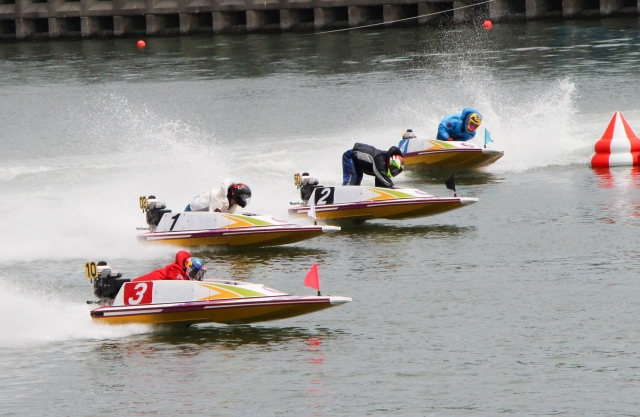
今回は競艇で稼ぐ方法と稼いでいる人の特徴を紹介しました。
稼いでいる人は実際に勝つために、研究を繰り返して継続できる人が多いです。
つまり稼いでいる人は、勝つ理由をもっていて、その上勝っています。
競艇が好きなら、とことん勉強をして、今よりも勝率を少しでも上げるようにしましょう。
個人的には、「買っていないレースをどれだけ研究できるのか?」
その検証を繰り返して、自分なりに勝てるレースを見極められるようにしましょう。